
Countering missile threats with enhanced warning and tracking payloads
Missile speed, maneuverability, and destructive power requires more capable payloads for accelerated kill chain timelines.

Missile speed, maneuverability, and destructive power requires more capable payloads for accelerated kill chain timelines.

Air defense radar, counter-drone, and missile launchers are three keys to Army transformation.

The U.S. Army’s MAPS Gen II program of record for assured PNT provides an authoritative and reliable source of truth for combat vehicles in a highly contested battlespace.

After decades of research, tests advance innovative engine for improved military effectors.

Enhancing combat-proven systems with new capabilities to address evolving threats can meet demand.
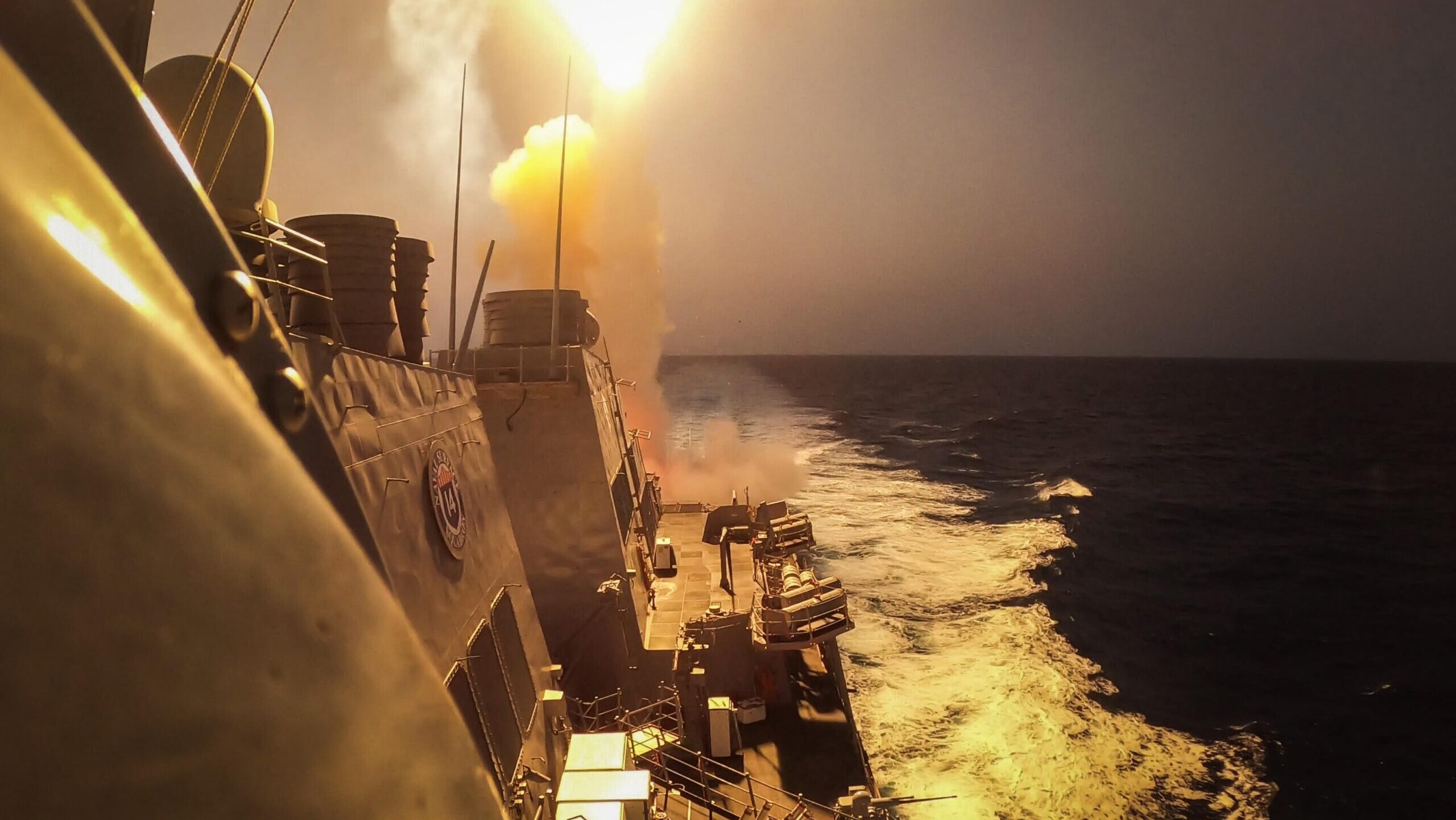
The demand for rocket motors for missiles is acute, with steps being taken to expand domestic production that includes more international cooperation.

How RTX is helping the Raptor stay ready to dominate the skies.
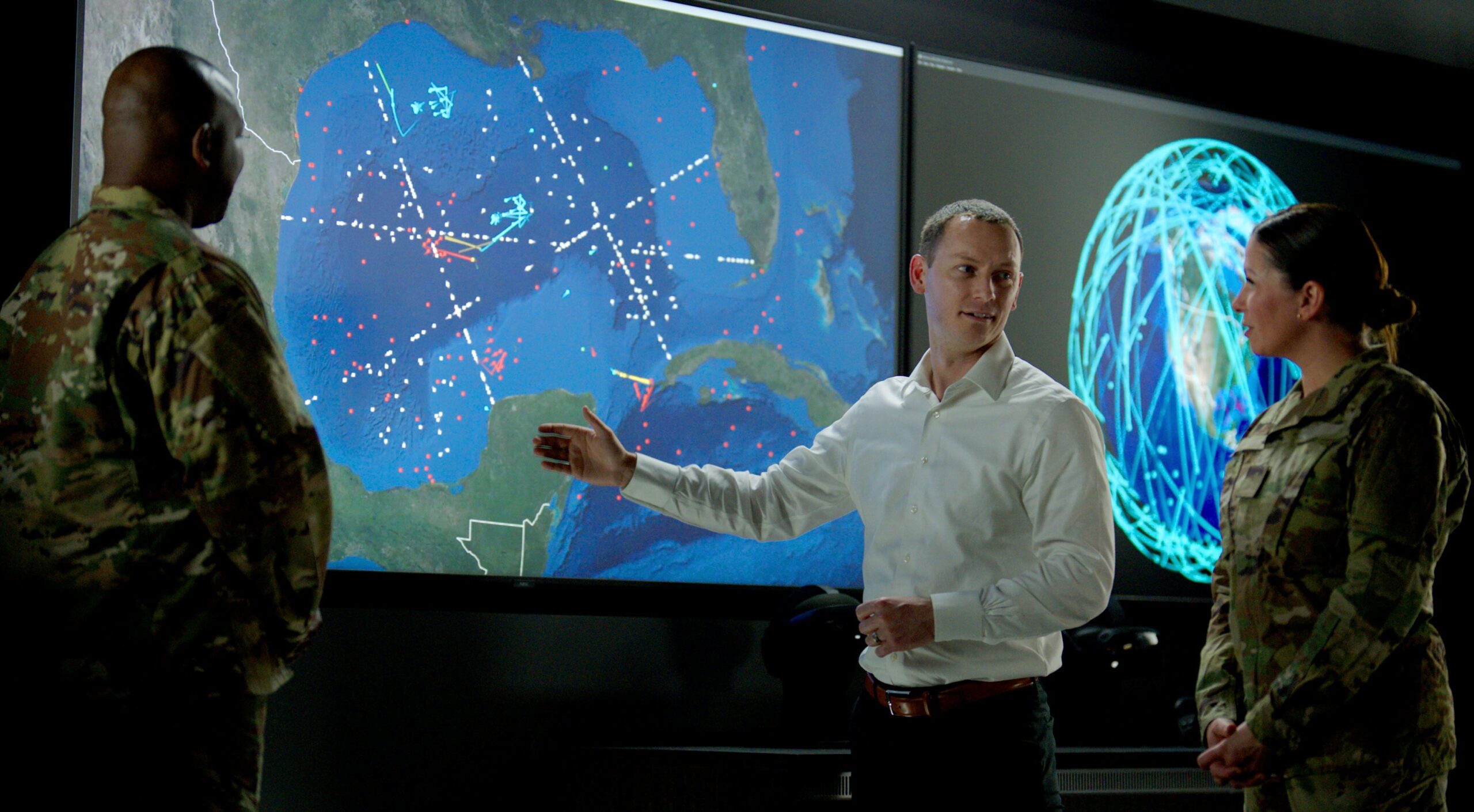
A tool to explore what-if scenarios and tradeoffs at the theater-level faster than traditional analysis.

Drones, high-speed cruise missiles, and ballistic missiles attacking together from 360° creates complexity only certain radars can handle.
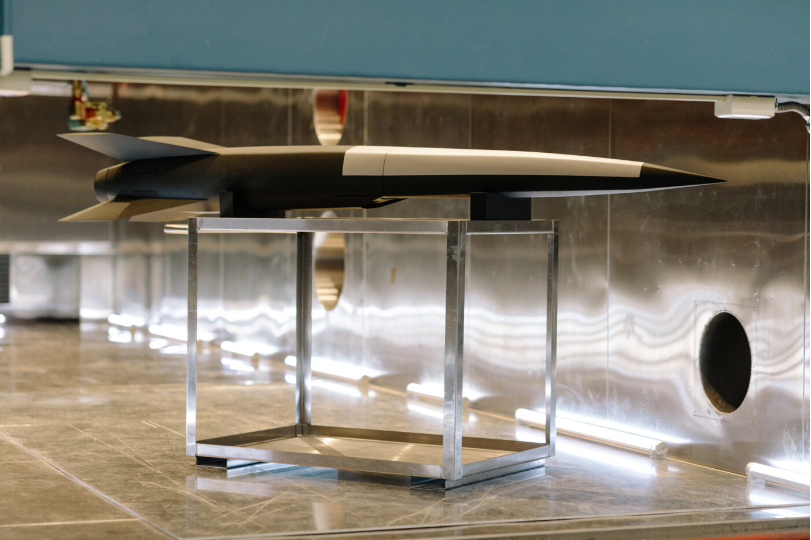
Next-generation modular radars and new composable weapon capabilities solve a critical problem for the U.S. and allied militaries.

High-speed cruise and ballistic missiles and drones attacking from different directions simultaneously is the challenge that radars must meet today.

Raytheon’s Advanced Technology president sheds light on the team’s behind-the-scenes R&D work to advance radars, hypersonics, and missile defense.

There's a new fire-control radar that's air-cooled and small enough for light-attack aircraft, helicopters, and unmanned aircraft systems.

Defending U.S. naval forces in the Pacific, Red Sea, and elsewhere require a range of systems from close-in weapons to anti-ballistic missiles.